Green business stories · Chuyện doanh nghiệp xanh · 12/36
Mebi Farm: 72 hectares in a melaleuca forest, over a million eggs a day and six "green pillars"
Mebi Farm: 72 ha giữa rừng tràm, hơn một triệu quả trứng mỗi ngày và sáu "trụ cột xanh"
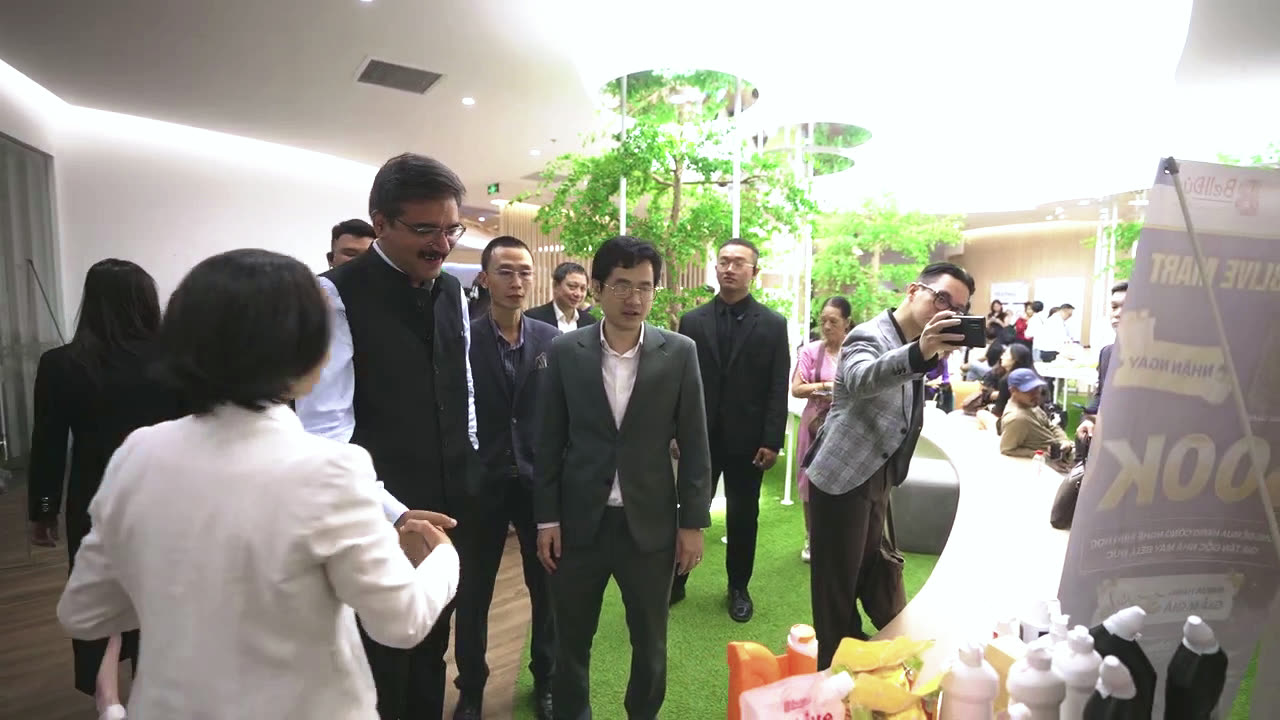
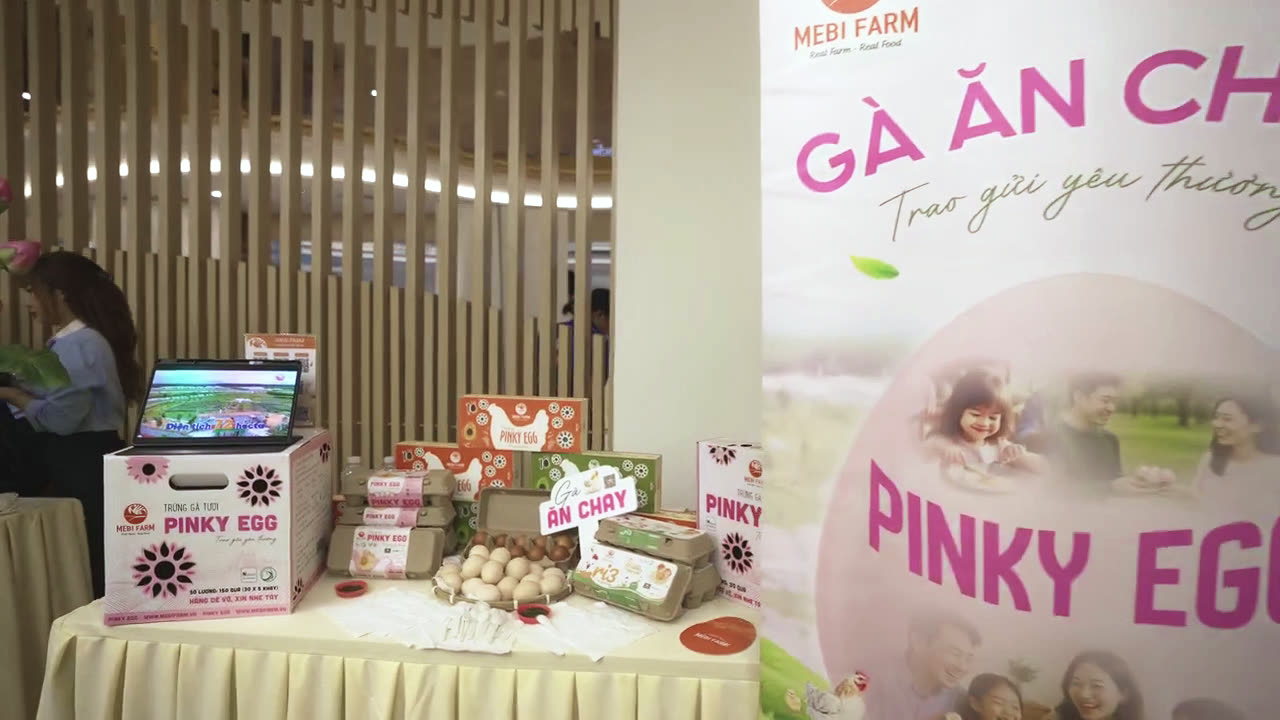
The person who received the sponsor certificate of Green Business Matching Day Vietnam on behalf of Mebi Farm was Mr Trương Tiến Toàn, Head of Marketing. Behind the orange logo and its line "Real Farm - Real Food" is a 72-hectare high-tech laying-hen farm set in a melaleuca forest in Sơn Mỹ commune, Lâm Đồng province (formerly Tân Thắng commune, Hàm Tân district, Bình Thuận), well away from residential areas. What Mebi Farm produces is fresh hen eggs, including the pink-shelled Pinky Egg line, which was also on display at Mebi Farm’s Pinky Egg booth at Lumi Hub on the morning of 4 November 2026.
From veterinary medicine to the egg
Mebi Farm is a member of Mebi Group, a family of companies that began with the veterinary medicine maker Mebipha, registered at the end of 2003. According to the group's own website, Mebi Farm was set up in March 2017. Construction of the farm began in 2021 and it was inaugurated on 17 January 2025, with a total investment of more than VND 1,000 billion across two phases. Its design capacity is 1.2 million laying hens and 400,000 pullets, or more than 375 million eggs a year, which is over a million eggs a day. About 45 hectares are built on; the rest is a green biosecurity belt.
General Director Lâm Thúy Ái told Tatler that before building the farm she went to see models in the United States, Japan, the Netherlands and Italy, and was most impressed by the Japanese approach, in which farm waste goes back to fertilise rice fields and vegetable gardens.
Six green pillars and a traceable egg
The company describes the way it operates as six "green pillars": clean water, clean air, feed, renewable energy, manure treatment and waste circulation. Feed is mixed fresh every day at the farm's own mill from maize, soya beans and rice bran, with no animal-derived ingredients; Mebi Farm commits to no antibiotics, no growth hormones and no banned substances. The hens drink UF ultra-filtered water, and the closed houses are kept at 26–28°C. Manure is composted with Japanese technology into organic fertiliser, and the roofs of the buildings carry solar panels. Eggs travel by conveyor to a plant on the farm itself, where they are candled, graded, sterilised with UV light and packed; the records of each batch are digitised, from the breeding stock, feed and water through to packing. According to the company, the whole process follows ISO 9001:2015 and ISO 22000:2018.
Pinky Egg was launched in 2025, signed a distribution partnership with San Hà Foodstore in October of that year, and since 16 April 2026 has been on sale in 100 Bách Hóa Xanh stores in Ho Chi Minh City. Mebi Farm is also among the 155 companies awarded the title "Green Enterprise 2025" by the Ho Chi Minh City People's Committee, and says it is ready for export orders. "Trust is not built by slogans, but by actions," Ms Lâm Thúy Ái said when Pinky Egg reached the Bách Hóa Xanh shelves. For a day devoted to green business matching, that is also what Mebi Farm brings: a farming model that aims to be transparent at every step.
Mebi Farm is one of the 21 sponsors of the programme.
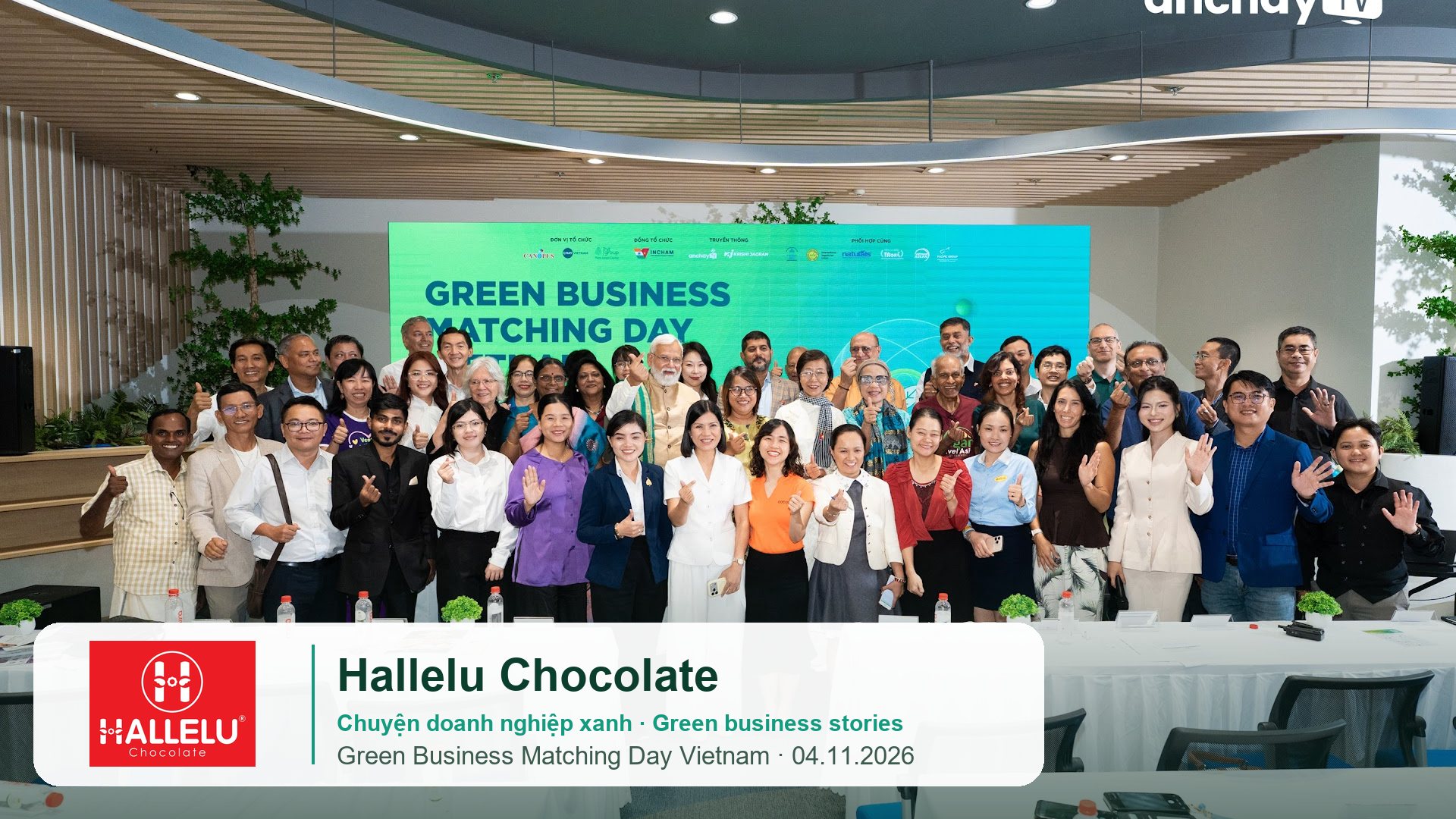
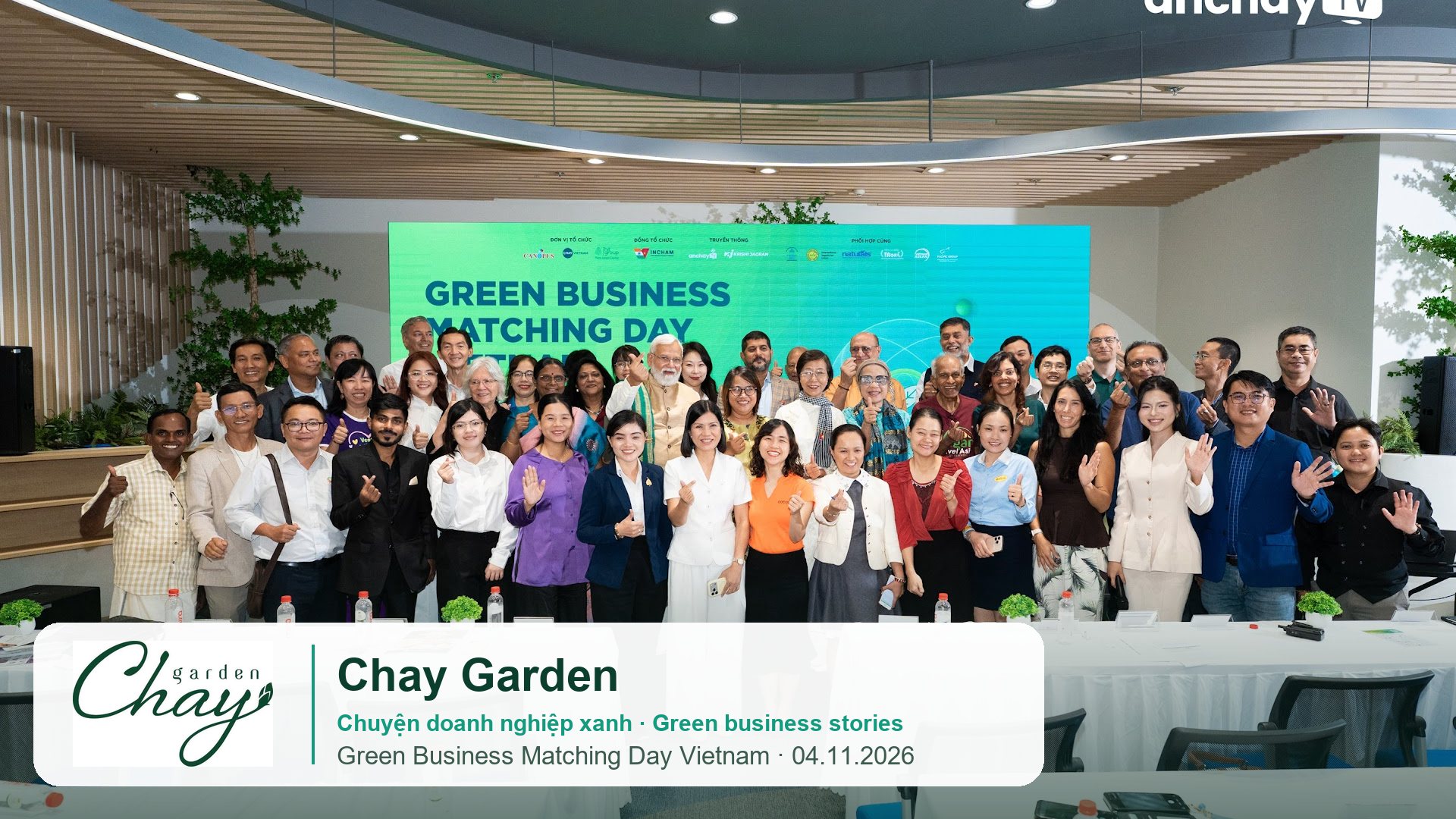
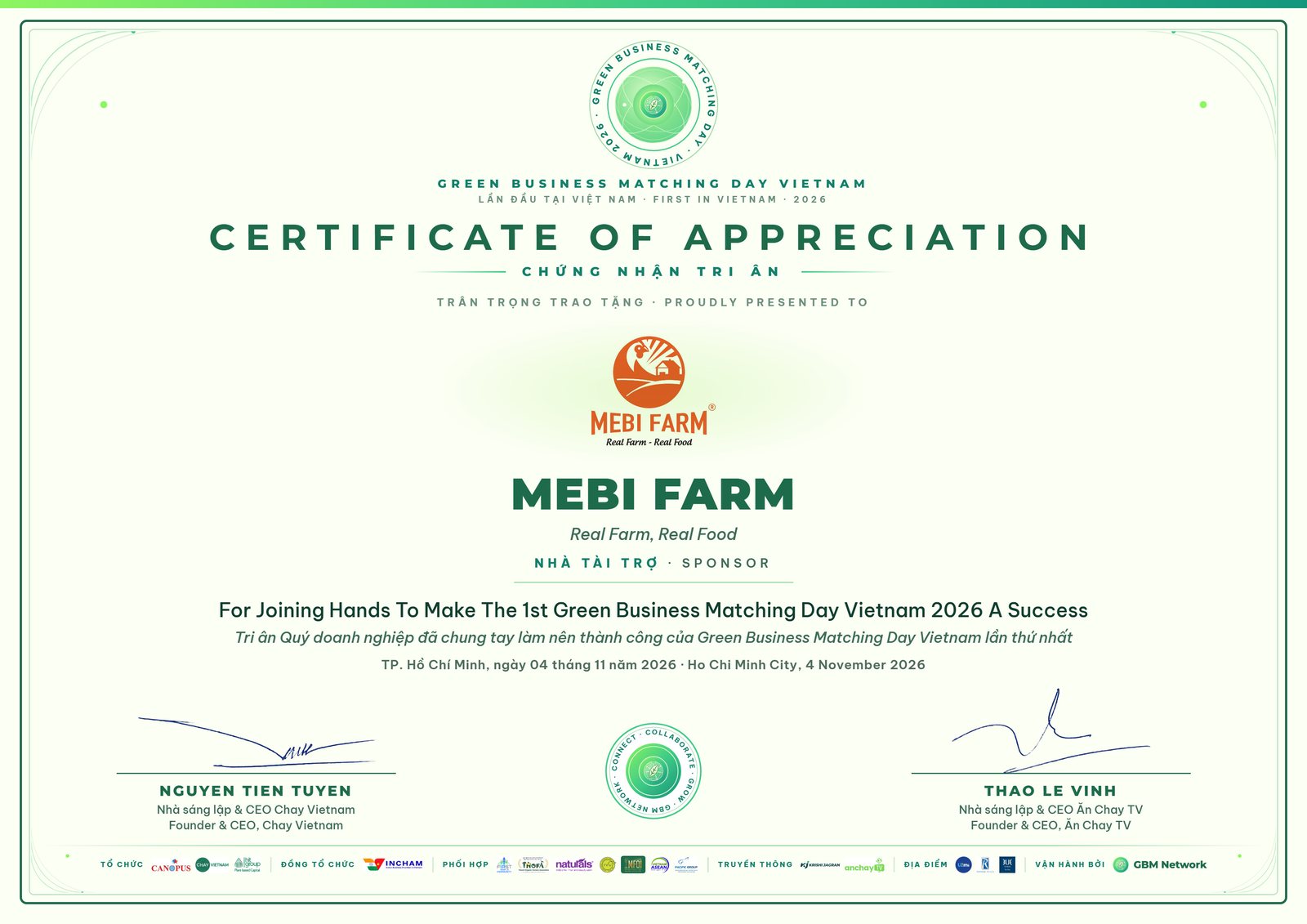
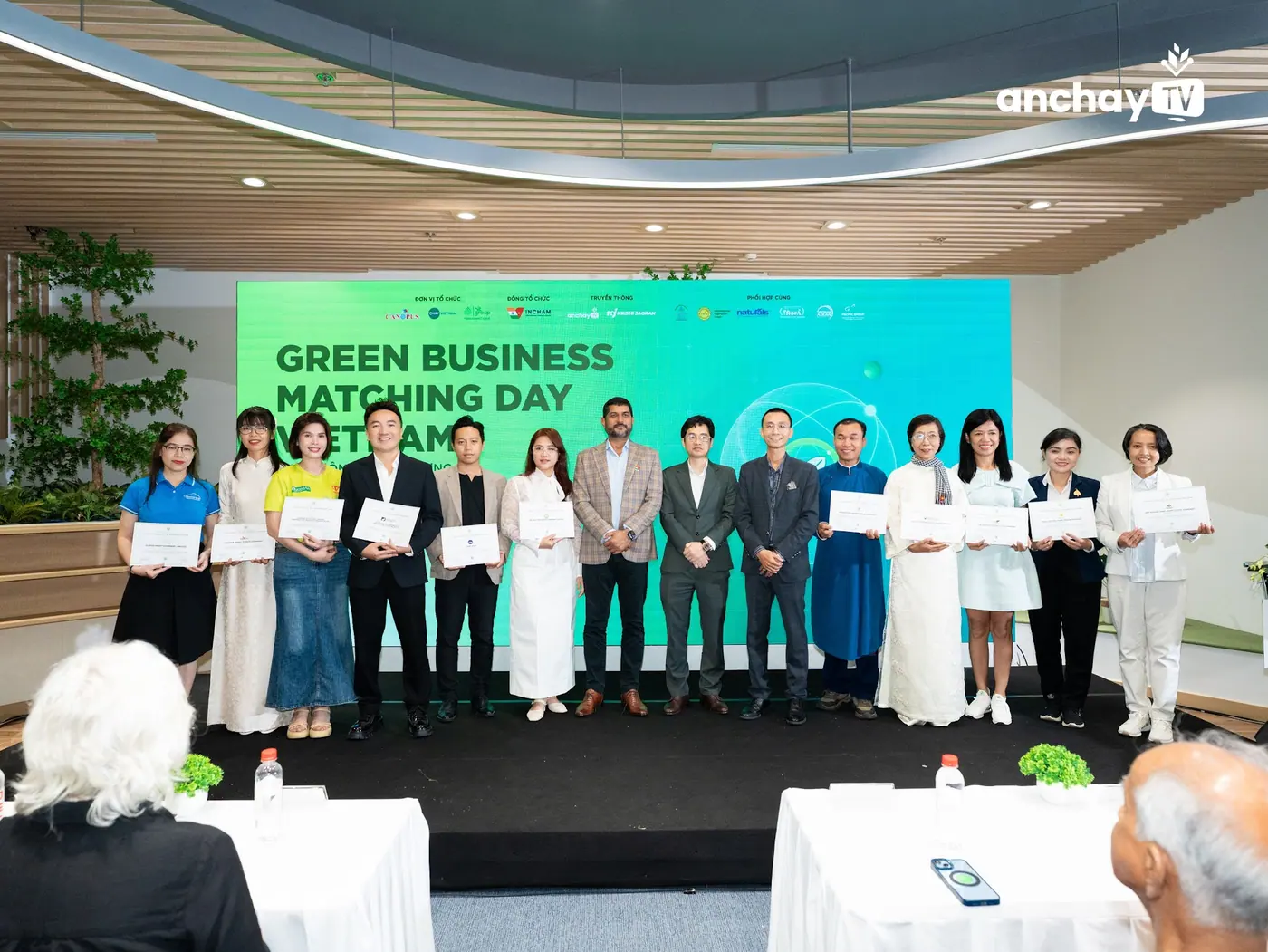
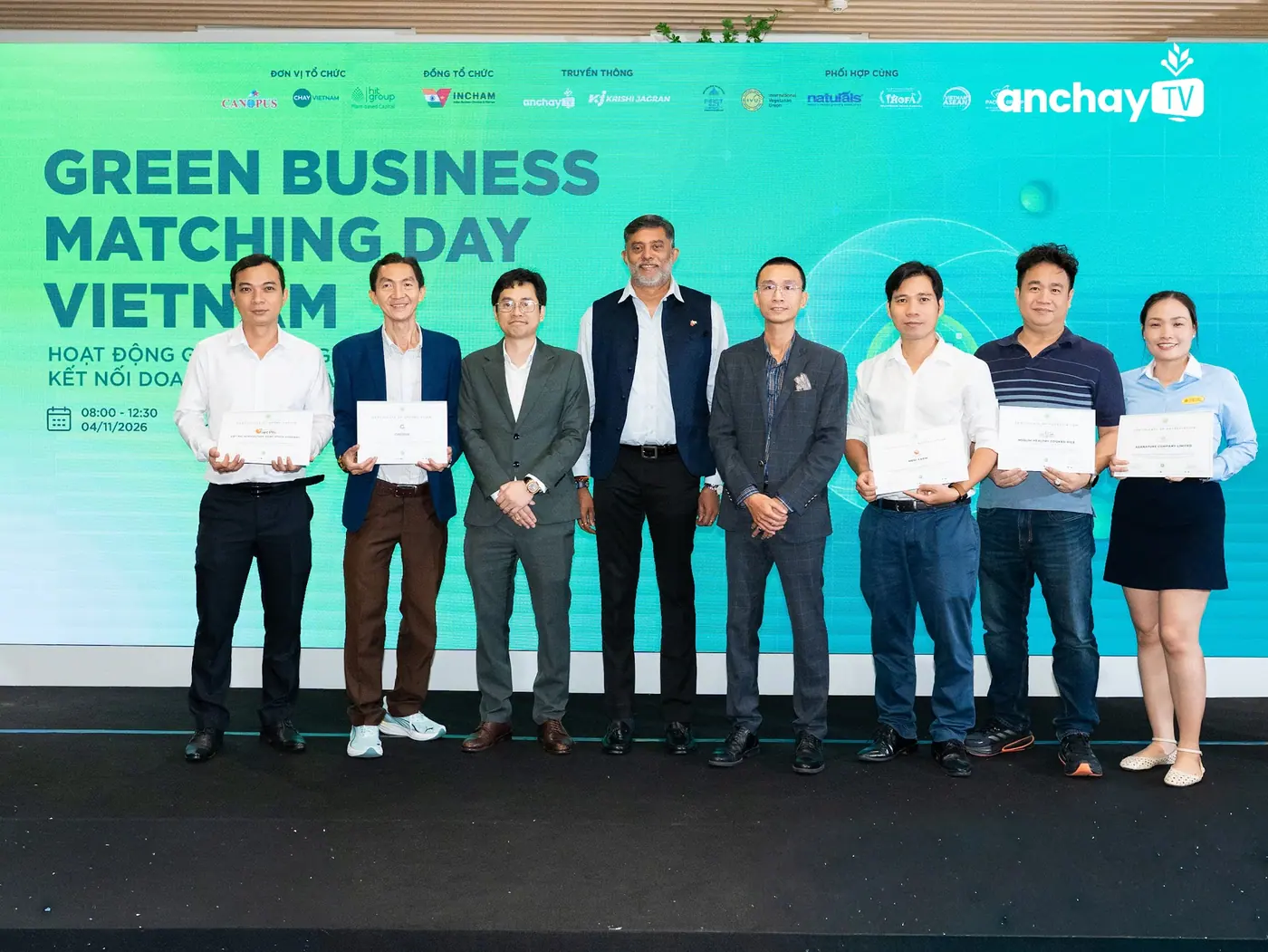
At the recognition ceremony that closed the programme, Mebi Farm was honoured by the organisers together with the other 20 sponsors, witnessed by Mr. Mohan Ramesh Anand (Founder & CEO, Canopus Group), Mr. Thao Le (Founder, AnChay.TV) and Mr. Nguyễn Tiến Tuyến (Founder & CEO, Chay Vietnam).
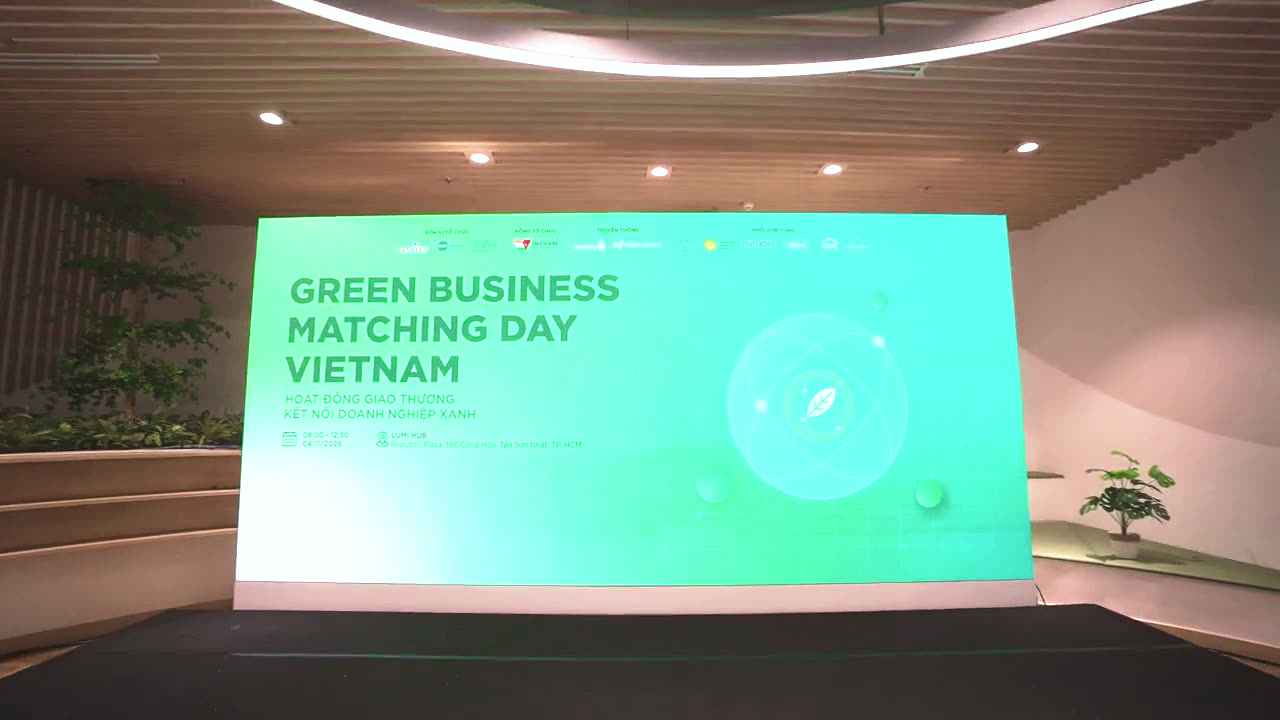
Green Business Matching Day Vietnam is co-organised by INCHAM with Canopus, AnChay.TV and Chay Vietnam, with the support of the Consulate General of India in Ho Chi Minh City, Ministry of External Affairs of India.
Based on material provided by the company; compiled by the organisers of Green Business Matching Day Vietnam as a gift to the businesses that joined the day.
Mebi Farm: 72 ha giữa rừng tràm, hơn một triệu quả trứng mỗi ngày và sáu "trụ cột xanh"
Người thay mặt Mebi Farm nhận chứng nhận nhà tài trợ của Green Business Matching Day Vietnam là ông Trương Tiến Toàn, Trưởng phòng Marketing. Phía sau logo màu cam với dòng chữ "Real Farm - Real Food" là một nông trại gà đẻ trứng công nghệ cao rộng 72 ha, nằm giữa rừng tràm ở xã Sơn Mỹ, tỉnh Lâm Đồng (trước đây là xã Tân Thắng, huyện Hàm Tân, Bình Thuận), cách xa khu dân cư. Sản phẩm của Mebi Farm là trứng gà tươi, trong đó có dòng trứng vỏ hồng Pinky Egg, cũng là sản phẩm được bày tại gian Pinky Egg của Mebi Farm ở Lumi Hub sáng 04.11.2026.
Từ thuốc thú y đến quả trứng
Mebi Farm là thành viên của Mebi Group, nhóm doanh nghiệp khởi đầu từ công ty thuốc thú y Mebipha, đăng ký thành lập cuối năm 2003. Theo trang giới thiệu của tập đoàn, Mebi Farm ra đời tháng 3.2017. Nông trại khởi công năm 2021 và khánh thành ngày 17.01.2025, với tổng vốn đầu tư hai giai đoạn hơn 1.000 tỷ đồng. Quy mô thiết kế là 1,2 triệu gà đẻ và 400.000 gà hậu bị, công suất hơn 375 triệu quả trứng mỗi năm, tức hơn một triệu quả mỗi ngày. Khoảng 45 ha dành cho công trình, phần còn lại là vành đai cây xanh an toàn sinh học.
Tổng Giám đốc Lâm Thúy Ái kể với tạp chí Tatler rằng trước khi làm nông trại, bà đã đi xem các mô hình ở Mỹ, Nhật Bản, Hà Lan và Ý, và ấn tượng nhất với cách làm của Nhật Bản, nơi chất thải trang trại quay về bón cho ruộng lúa, vườn rau.
Sáu trụ cột xanh và quả trứng truy xuất được
Doanh nghiệp mô tả cách vận hành bằng sáu "trụ cột xanh": nước sạch, không khí sạch, thức ăn, năng lượng tái tạo, xử lý phân và tuần hoàn chất thải. Thức ăn được trộn mới mỗi ngày tại nhà máy trong nông trại từ bắp, đậu nành, cám gạo, không dùng nguyên liệu động vật; Mebi Farm cam kết không kháng sinh, không hormone tăng trưởng, không chất cấm. Gà uống nước siêu lọc UF, chuồng kín giữ ở 26–28°C. Phân gà được ủ compost theo công nghệ Nhật Bản thành phân bón hữu cơ, mái nhà xưởng lắp điện mặt trời. Trứng theo băng chuyền về nhà máy ngay trong nông trại để soi, phân loại, diệt khuẩn bằng tia UV và đóng gói; hồ sơ từng lô được số hóa từ con giống, thức ăn, nguồn nước đến khâu đóng gói. Theo doanh nghiệp, toàn bộ quy trình áp dụng ISO 9001:2015 và ISO 22000:2018.
Pinky Egg ra mắt năm 2025, ký hợp tác phân phối với San Hà Foodstore vào tháng 10 năm đó, và từ ngày 16.04.2026 có mặt tại 100 cửa hàng Bách Hóa Xanh ở TP. Hồ Chí Minh. Mebi Farm cũng nằm trong số 155 doanh nghiệp được UBND TP. Hồ Chí Minh trao danh hiệu "Doanh nghiệp xanh năm 2025", và cho biết đã sẵn sàng cho các đơn hàng xuất khẩu. "Niềm tin không xây bằng khẩu hiệu mà bằng hành động", bà Lâm Thúy Ái nói trong dịp Pinky Egg lên kệ Bách Hóa Xanh. Với một ngày hội kết nối kinh doanh xanh, đó cũng là điều Mebi Farm mang đến: một mô hình chăn nuôi hướng tới sự minh bạch ở từng khâu.
Mebi Farm là một trong 21 nhà tài trợ của chương trình.
Tại lễ tri ân cuối chương trình, Mebi Farm được Ban Tổ chức vinh danh cùng 20 nhà tài trợ khác, với sự chứng kiến của ông Mohan Ramesh Anand (Nhà sáng lập & CEO Canopus Group), anh Thao Lê (Nhà sáng lập Ăn Chay TV) và anh Nguyễn Tiến Tuyến (Nhà sáng lập & CEO Chay Vietnam).
Green Business Matching Day Vietnam do INCHAM đồng tổ chức với Canopus, Ăn Chay TV và Chay Vietnam, với sự hỗ trợ từ phía Tổng Lãnh sự quán Ấn Độ tại TP. Hồ Chí Minh, thuộc Bộ Ngoại giao Ấn Độ.