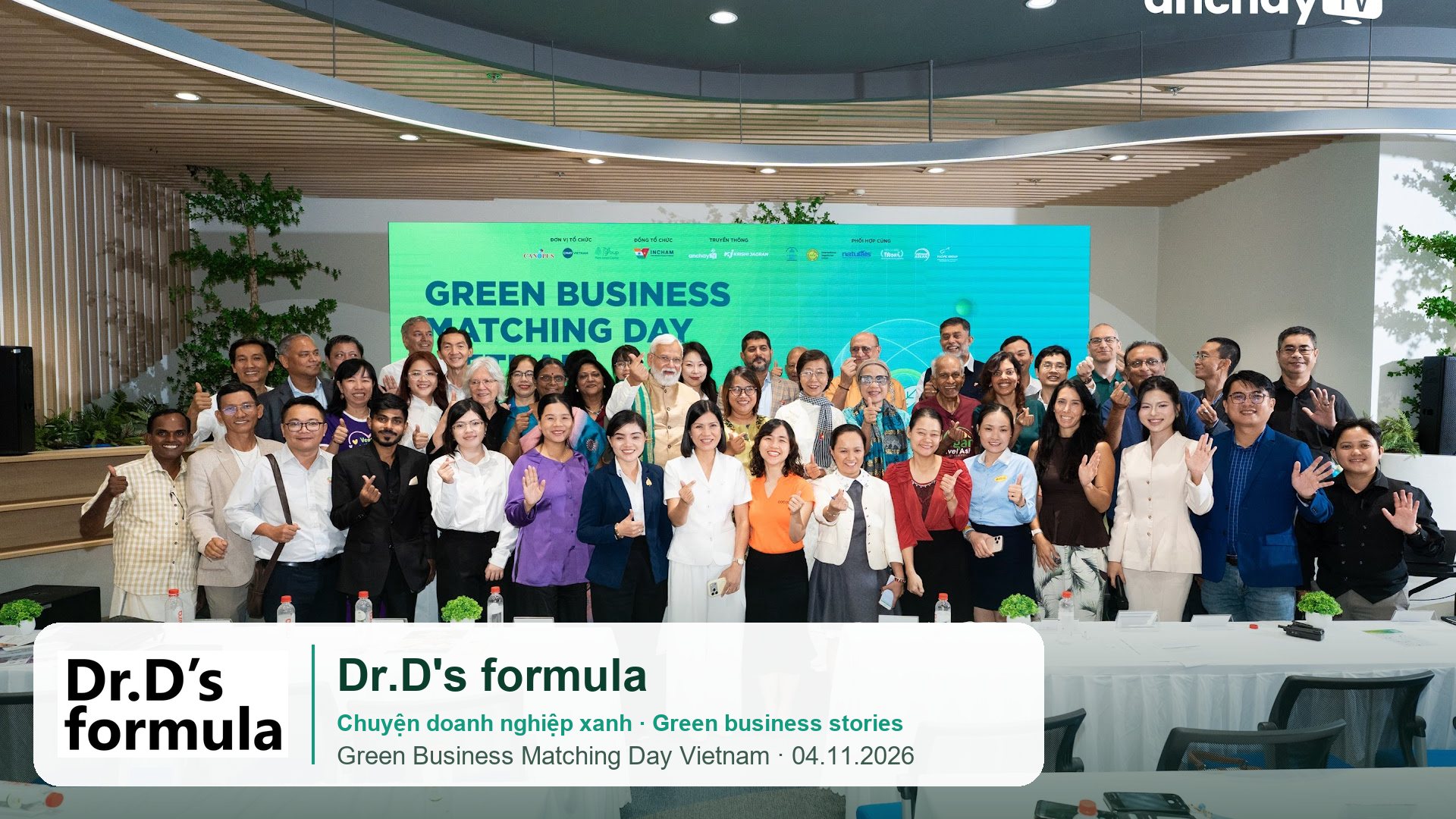
Documentary: Startup & Revolution · Phim tài liệu · 26/36
The birth of the shampoo sachet and India's sachet revolution: the man who created it was Dr. C.K. Ashok Kumar's father
Sự ra đời của gói dầu gội và cuộc cách mạng sachet: người tạo ra nó là cha của Dr. C.K. Ashok Kumar
A man walking through a village in India saw some boys with dirty, matted hair and asked why they did not wash it with shampoo. The boys asked back: "What is shampoo?" That question became the starting point of India's sachet revolution. In a 28-minute conversation on Unfiltered by Naturals, Dr. C.K. Ashok Kumar, Founder of First World Community and Chairperson of EMERGE AURO, tells the story of his father, Chinni Krishnan, and has a blunt message for young people who want to start a business: a lack of capital is no reason to stand still.
"What is shampoo?"
As Dr. Ashok Kumar tells it in the film, a bottle of shampoo then cost 60 to 70 rupees, a luxury for ordinary people. The boys' question stayed with his father, who asked himself: why not put it in a small pack? With a knowledge of chemistry, he built his own machines and worked on the formula through sleepless nights, and in the late 1970s launched Velvette shampoo sachets at 50 paise and 1 rupee.
The revolution was about more than packaging. "It was not about making a profit from the business, but about giving," Ashok Kumar says. What the rich enjoy, the common man should be able to afford: that is the idea the whole family business was built on.
"We will be known as the sachet family"
The road was not smooth. His father had made antibiotics in Cuddalore district, something only large companies did at the time, and ran into financial difficulties. But he kept faith in the small packs and told his children again and again: "Remember my words, we will be known as the sachet family." He died at 48, leaving his children a legacy.
Dr. Ashok Kumar had just finished studying law; his brother Dr. C.K. Rajkumar was a medical doctor. Both left their professions to follow their father's dream, with no capital and no experience: "with just an idea, we simply jumped in." According to him, Velvette started with minus 200,000 rupees, and C.K. Ranganathan, when he set out on his own, had only 15,000 rupees and went on to build CavinKare. He notes that the sachet revolution is now taught in business schools, and that INSEAD describes it as a blue ocean strategy: thousands of small firms able to compete with multinational giants in consumer goods.
What is conscious capital?
"Conscious capital is when an entrepreneur or a startup founder looks beyond profit and the balance sheet," he explains. A business must serve society; profit is simply the natural result. He names Indians he sees as conscious capitalists: Sridhar Vembu of Zoho, the Tata family, Narayana Murthy. And he sums it up in one line: people, planet and prosperity must go together.
For him, entrepreneurship begins with immersing yourself in ideas until one rises clearly, then pairing it with decisive, selfless action; when thought and action meet, the result follows. He wants young people, especially Gen Z, to look out at the world rather than only at themselves, and to live by need rather than greed.
From Auroville to EMERGE AURO
In the film he explains why he chose Auroville: Sri Aurobindo and The Mother's vision of unity, a community that celebrates success together. He describes an innovation challenge for students with Pondicherry University, covering healthcare, rural development, waste management, water conservation, skills, women's empowerment and responsible tourism. On women, he points to Naturals: from a single salon in Chennai to what he calls the largest salon chain, with more than 200 women who started as employees now franchise partners.
Next comes a two-day event on 5–6 December in Auroville, to which he wants to invite more than ten countries and their Consuls General to present the opportunities in their countries. That is EMERGE AURO, the Conscious Capital Conclave organised by Section Infin-8 Foundation, First World Community and partners, which he chairs. In the film the host cites targets of 60–75 startups showcased from more than 500 applications, over 5,000 participants, and 20–30 MoUs and pilot partnerships.
What Vietnam's green businesses and startups can take home
Start from a real customer question. The one-rupee sachet came from a boy asking "what is shampoo?". For a green business the question might be: why do so many people want to eat and live green, yet still do not buy?
Price for the many. Green products are often seen as expensive. A small size, a trial pack, an affordable price can be the way to reach far more people, in the spirit of the sachet.
Capital is not the first condition. Velvette started with negative capital, CavinKare with 15,000 rupees. What comes first is a good idea, passion and the courage to take a risk.
Profit is the result of serving. Green businesses already do good for people and the planet. "Conscious capital" is the language to tell that story to investors and international partners.
The Chay VietNam Business Community at gbm.network/cvn is where such businesses meet and find customers, investors and international partners, including Dr. Ashok Kumar's First World Community network. Read more: Dr. C.K. Ashok Kumar at Green Business Matching Day Vietnam.
The full story in a book
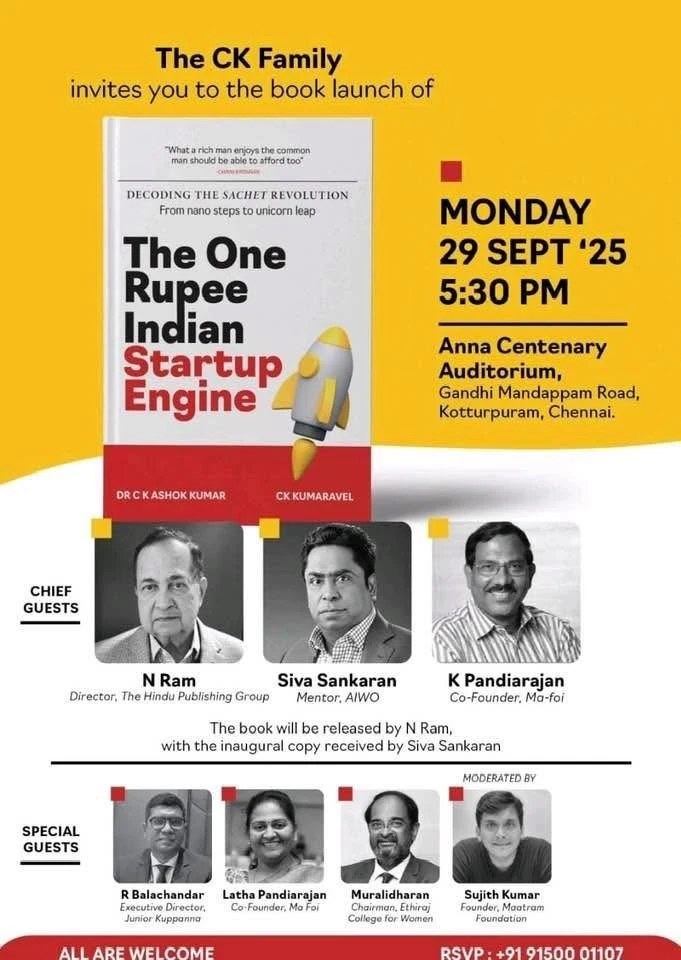
The journey from the one-rupee sachet to the CK family's large businesses is told by Dr. C.K. Ashok Kumar and C.K. Kumaravel in The One Rupee Indian Startup Engine: Decoding the Sachet Revolution, launched in Chennai on 29 September 2025. Companies that would like a copy can register below, and the organisers will let them know when the next batch of books is available.
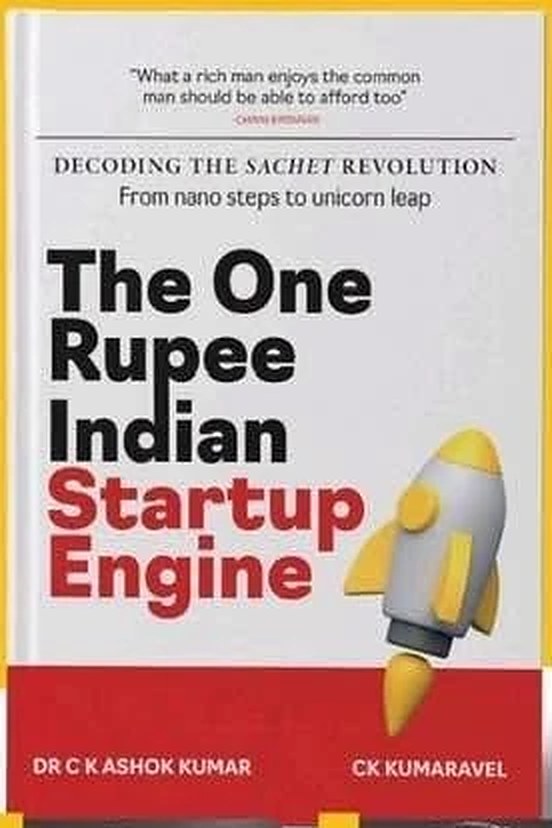
A book from the CK family
The One Rupee Indian Startup Engine
Decoding the Sachet Revolution · From nano steps to unicorn leap
By: Dr. C.K. Ashok Kumar & C.K. Kumaravel
- Launched 29 September 2025 · Anna Centenary Auditorium, Chennai
- Released by Mr. N. Ram, Director, The Hindu Publishing Group
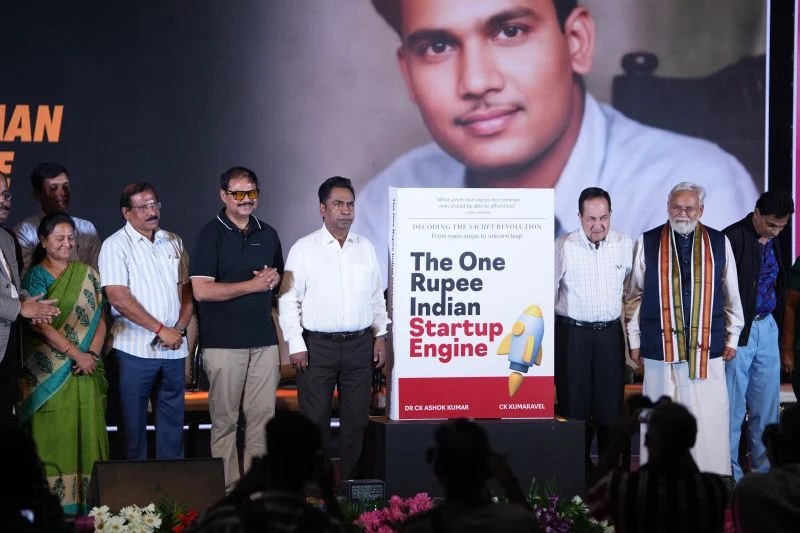
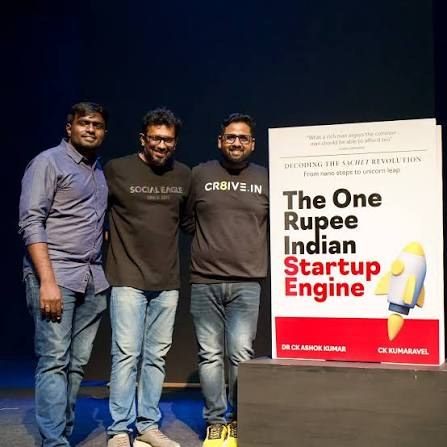
Photos: the CK family
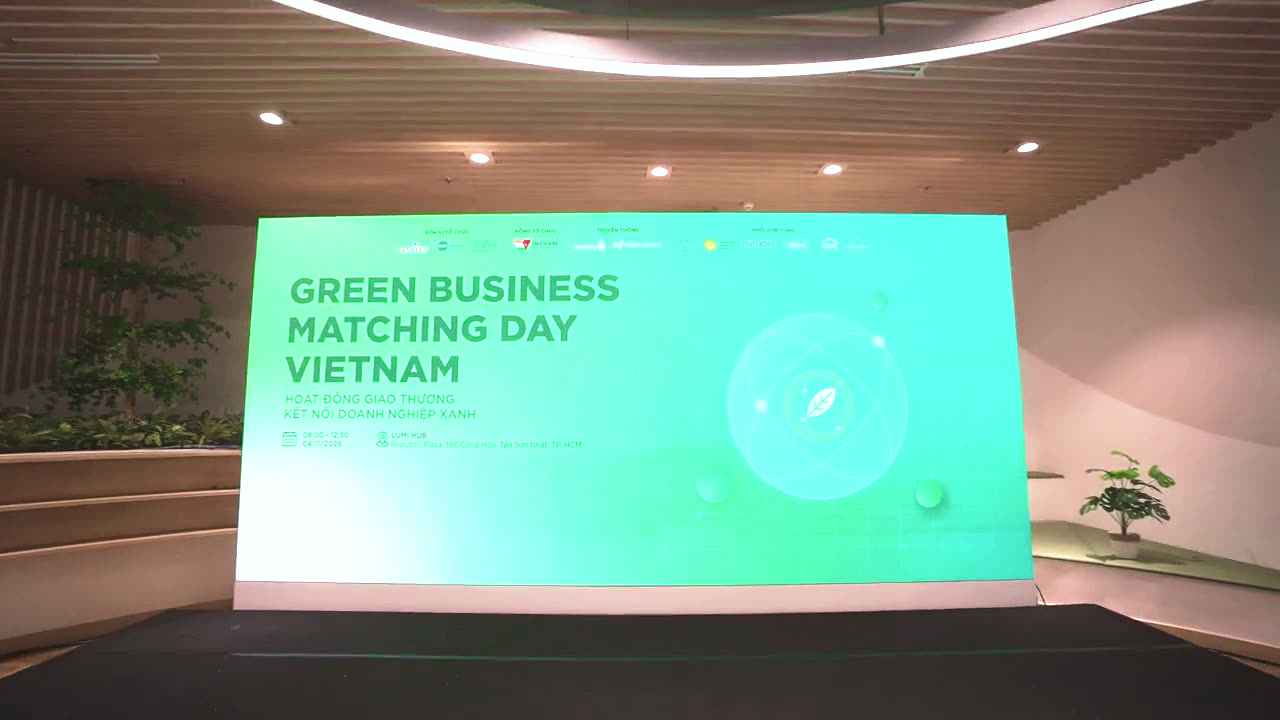
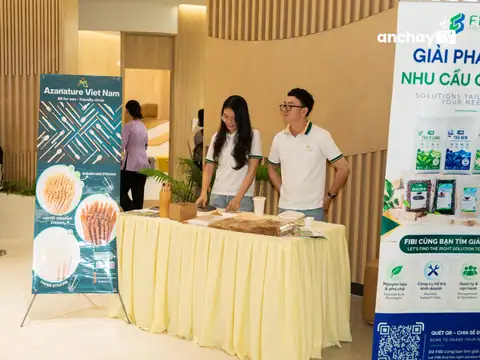
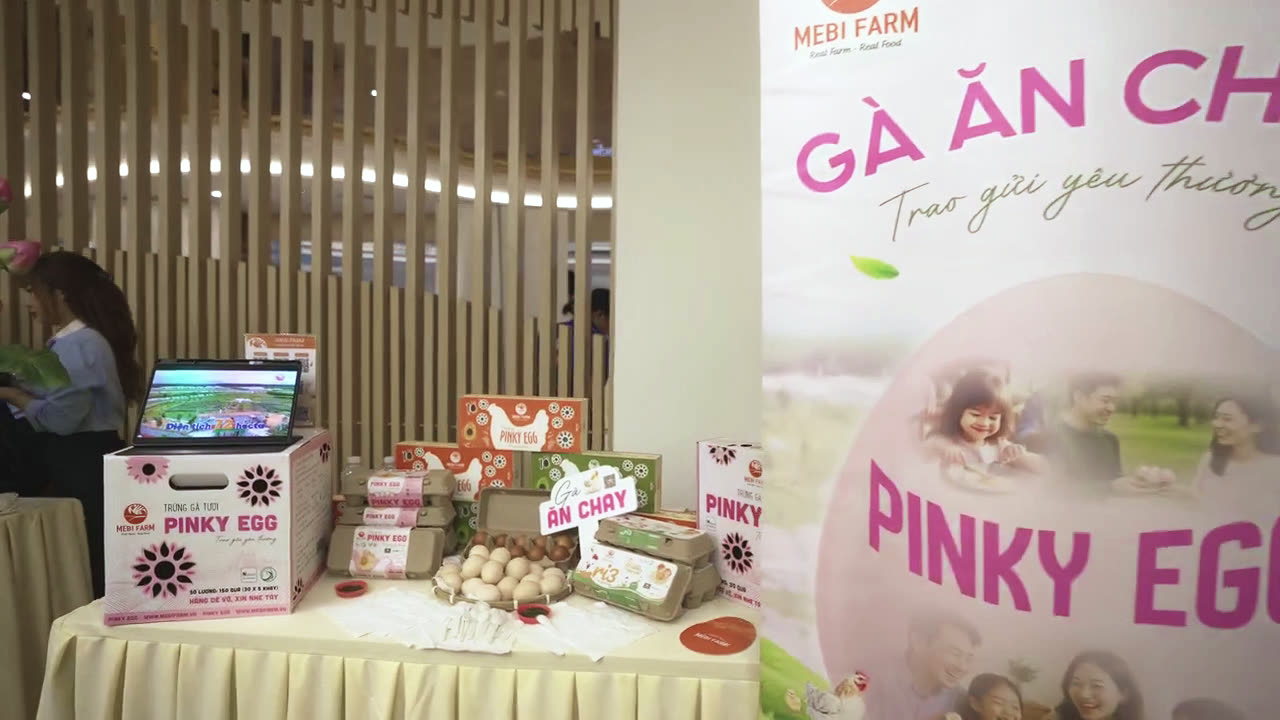
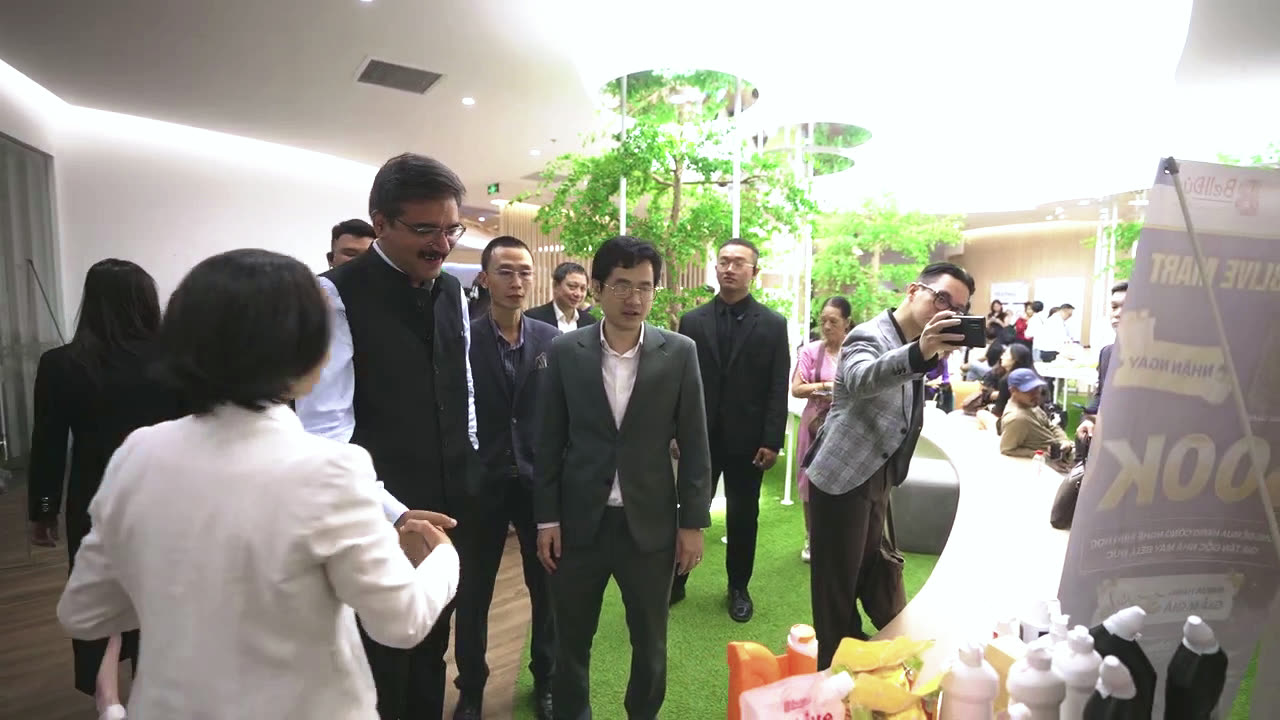
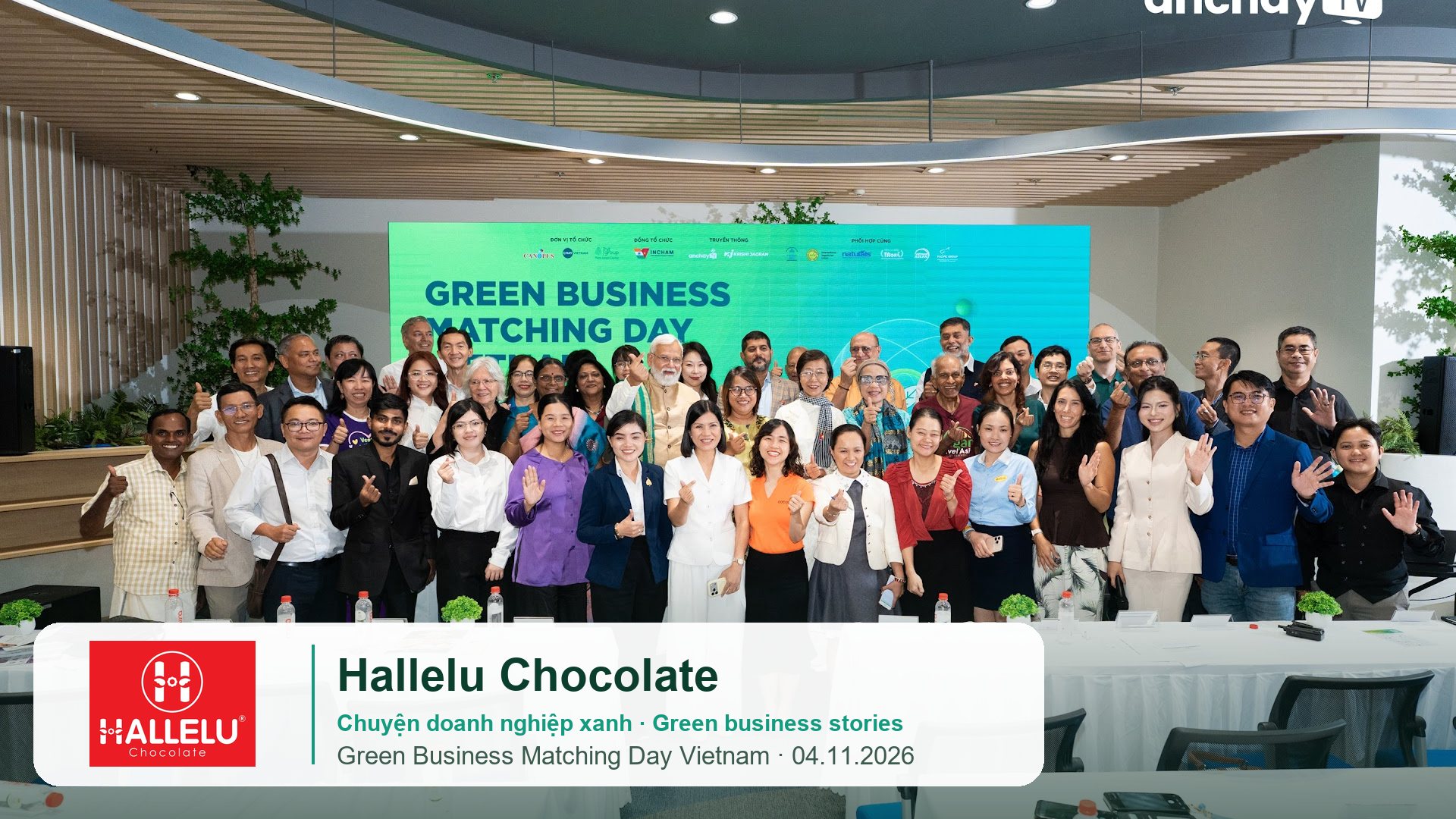
Green Business Matching Day Vietnam is co-organised by INCHAM with Canopus, AnChay.TV and Chay Vietnam, with the support of the Consulate General of India in Ho Chi Minh City, Ministry of External Affairs of India.
Based on the film (Vietnamese voice-over edition) and material from the CK family; compiled by the organisers of Green Business Matching Day Vietnam for the green business community.
Sự ra đời của gói dầu gội và cuộc cách mạng sachet: người tạo ra nó là cha của Dr. C.K. Ashok Kumar
Một người đàn ông đi qua một làng quê ở Ấn Độ, thấy mấy cậu bé tóc bết bẩn và hỏi vì sao các cháu không gội đầu. Các cậu bé hỏi lại: "Dầu gội là gì?" Câu hỏi ấy trở thành điểm khởi đầu của cuộc cách mạng gói nhỏ (sachet) ở Ấn Độ. Trong 28 phút trò chuyện trên chương trình Unfiltered by Naturals, Dr. C.K. Ashok Kumar, Nhà sáng lập First World Community và Chủ tịch EMERGE AURO, kể lại câu chuyện của người cha, ông Chinni Krishnan, và gửi một thông điệp thẳng thắn tới những người trẻ muốn khởi nghiệp: thiếu vốn không phải là lý do để đứng yên.
Câu hỏi "dầu gội là gì?"
Theo lời Dr. Ashok Kumar trong phim, khi ấy một chai dầu gội có giá 60 đến 70 rupee, là thứ xa xỉ với người bình dân. Câu chuyện của các cậu bé cứ luẩn quẩn trong đầu người cha, và ông tự hỏi: sao không đóng thành gói nhỏ? Có kiến thức hóa học, ông tự chế máy, tự nghiên cứu công thức qua nhiều đêm không ngủ, rồi cuối thập niên 1970 tung ra gói dầu gội Velvette với giá 50 paise và 1 rupee.
Điều làm nên cuộc cách mạng không chỉ là cái bao bì. "Không phải để kiếm lời từ doanh nghiệp, mà là để cho đi", ông Ashok kể. Thứ người giàu có thì người bình dân cũng phải mua được: đó là trọng tâm mà cả doanh nghiệp của gia đình được xây dựng nên.
"Chúng ta sẽ được biết đến là gia đình gói nhỏ"
Con đường không bằng phẳng. Người cha từng sản xuất thuốc kháng sinh ở quận Cuddalore, việc mà thời đó chỉ các công ty lớn mới làm, và gặp nhiều khó khăn về tài chính. Nhưng ông vẫn tin vào những gói nhỏ và nhắc đi nhắc lại với các con: "Hãy nhớ lời tôi, chúng ta sẽ được biết đến là gia đình gói nhỏ." Ông qua đời năm 48 tuổi, để lại cho các con một di sản.
Khi ấy Dr. Ashok Kumar vừa học xong luật, người anh em Dr. C.K. Rajkumar là bác sĩ. Cả hai bỏ nghề để theo giấc mơ của cha, không vốn, không kinh nghiệm: "chỉ với một ý tưởng, chúng tôi cứ thế lao vào". Theo ông, Velvette khởi đầu với số vốn âm 200.000 rupee; C.K. Ranganathan khi ra riêng chỉ có 15.000 rupee và đã xây dựng nên CavinKare. Ông kể cuộc cách mạng gói nhỏ nay được giảng ở các trường kinh doanh, và trường INSEAD gọi đây là một chiến lược đại dương xanh: hàng nghìn doanh nghiệp nhỏ có thể cạnh tranh với các tập đoàn đa quốc gia trong ngành hàng tiêu dùng nhanh.
Vốn có ý thức là gì?
"Vốn có ý thức là khi một doanh nhân hay một nhà khởi nghiệp không chỉ nhìn vào lợi nhuận hay bảng cân đối kế toán", ông giải thích. Doanh nghiệp phải phục vụ xã hội, còn lợi nhuận chỉ là kết quả tất yếu. Ông nhắc những tên tuổi Ấn Độ mà ông coi là nhà tư bản có ý thức: Sridhar Vembu của Zoho, gia tộc Tata, Narayana Murthy. Và một câu tóm gọn: con người, hành tinh và thịnh vượng phải đi cùng nhau.
Với ông, khởi nghiệp bắt đầu từ việc đắm mình trong ý tưởng cho tới khi một ý tưởng trỗi dậy thật rõ, rồi đi cùng hành động quyết liệt và không vụ lợi; khi tư duy và hành động gặp nhau, thành quả sẽ đến. Ông muốn người trẻ, nhất là thế hệ Gen Z, nhìn ra thế giới thay vì chỉ nhìn vào bản thân, và sống theo nhu cầu chứ không vì lòng tham.
Từ Auroville tới EMERGE AURO
Trong phim, ông giải thích vì sao chọn Auroville: tầm nhìn về sự hợp nhất của Sri Aurobindo và The Mother, nơi một cộng đồng cùng nhau ăn mừng thành công chung. Ông kể về thử thách đổi mới dành cho sinh viên cùng Đại học Pondicherry, với các lĩnh vực y tế, phát triển nông thôn, quản lý rác thải, bảo tồn nước, phát triển kỹ năng, trao quyền cho phụ nữ và du lịch có trách nhiệm. Về phụ nữ, ông lấy Naturals làm ví dụ: từ một tiệm làm tóc ở Chennai, theo ông nay là chuỗi salon lớn nhất, và hơn 200 phụ nữ từng là nhân viên nay đã thành đối tác nhượng quyền.
Tiếp đó là sự kiện hai ngày 5–6.12 tại Auroville, nơi ông muốn mời hơn 10 quốc gia cùng các Tổng Lãnh sự tới giới thiệu cơ hội ở nước mình. Đó là EMERGE AURO, hội nghị Conscious Capital do Section Infin-8 Foundation, First World Community và các đối tác tổ chức, do ông làm Chủ tịch. Trong phim, người dẫn nêu mục tiêu 60–75 startup trình diễn từ hơn 500 hồ sơ, hơn 5.000 người tham dự và 20–30 biên bản ghi nhớ, dự án thí điểm.
Điều doanh nghiệp xanh và startup Việt Nam có thể mang về
Bắt đầu từ một câu hỏi thật của khách hàng. Gói dầu gội một rupee ra đời từ câu hỏi "dầu gội là gì?" của mấy cậu bé. Với doanh nghiệp xanh, câu hỏi có thể là: vì sao nhiều người muốn ăn xanh, dùng xanh mà vẫn chưa mua?
Thiết kế giá cho số đông. Sản phẩm xanh hay bị coi là đắt. Một cỡ nhỏ, một gói dùng thử, một mức giá vừa túi tiền có thể là cách để sản phẩm xanh đến được với nhiều người hơn, đúng tinh thần gói nhỏ.
Vốn không phải điều kiện đầu tiên. Velvette bắt đầu với số vốn âm, CavinKare với 15.000 rupee. Thứ cần có trước là một ý tưởng tốt, sự đam mê và dám chấp nhận rủi ro.
Lợi nhuận là kết quả của việc phục vụ. Doanh nghiệp xanh vốn đã làm điều tốt cho con người và hành tinh. "Vốn có ý thức" là ngôn ngữ để kể câu chuyện ấy với nhà đầu tư và đối tác quốc tế.
Cộng đồng Doanh nghiệp Chay VietNam tại gbm.network/cvn là nơi những doanh nghiệp như vậy gặp nhau, tìm khách hàng, nhà đầu tư và đối tác quốc tế, trong đó có mạng lưới First World Community của Dr. Ashok Kumar. Đọc thêm bài viết về Dr. C.K. Ashok Kumar tại Green Business Matching Day Vietnam.
Câu chuyện đầy đủ trong một cuốn sách
Hành trình từ gói dầu gội một rupee tới những doanh nghiệp lớn của gia tộc CK được Dr. C.K. Ashok Kumar và C.K. Kumaravel kể lại trong cuốn The One Rupee Indian Startup Engine: Decoding the Sachet Revolution, ra mắt tại Chennai ngày 29.09.2025. Doanh nghiệp muốn nhận sách có thể đăng ký ngay bên dưới; Ban Tổ chức sẽ thông báo khi có đợt sách mới.
Green Business Matching Day Vietnam do INCHAM đồng tổ chức với Canopus, Ăn Chay TV và Chay Vietnam, với sự hỗ trợ từ phía Tổng Lãnh sự quán Ấn Độ tại TP. Hồ Chí Minh, thuộc Bộ Ngoại giao Ấn Độ.